
For students ages 6-11, Piano Adventures Basic offers an exciting exploration. Its wide and varied 8-level curriculum includes appealing repertoire, probing theory, improvisation and composition, and a systematic technique program from the start.
For teachers, the art of teaching can be seen as a wholistic process using the ACE triangle—analyze, create, express. This musical learning theory primes the student’s intellect, engages and sparks imagination, and nurtures a love of music at each level. You’ll notice the seeds of the Faber’s ACE philosophy for student-centered learning throughout the site. Come explore the levels!
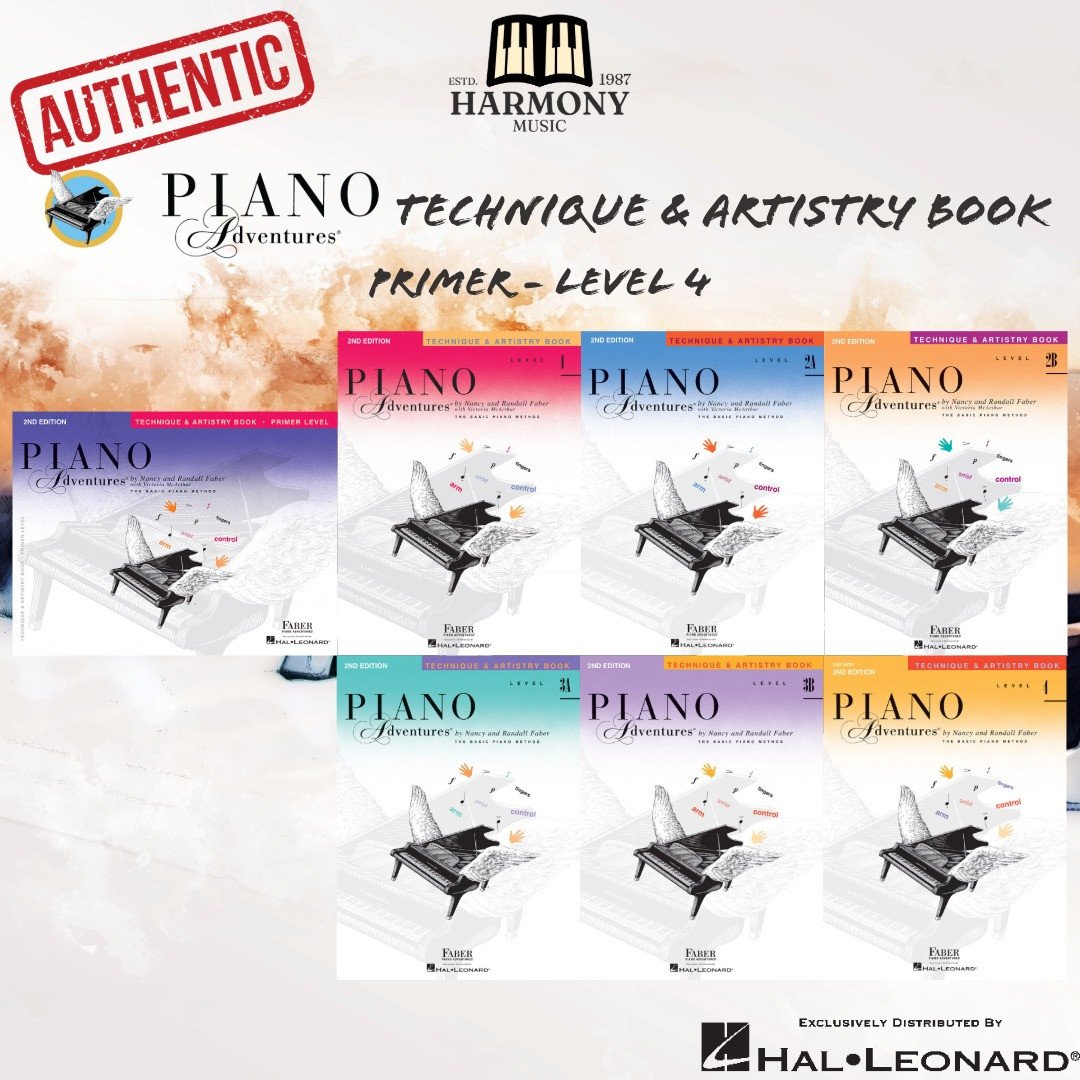
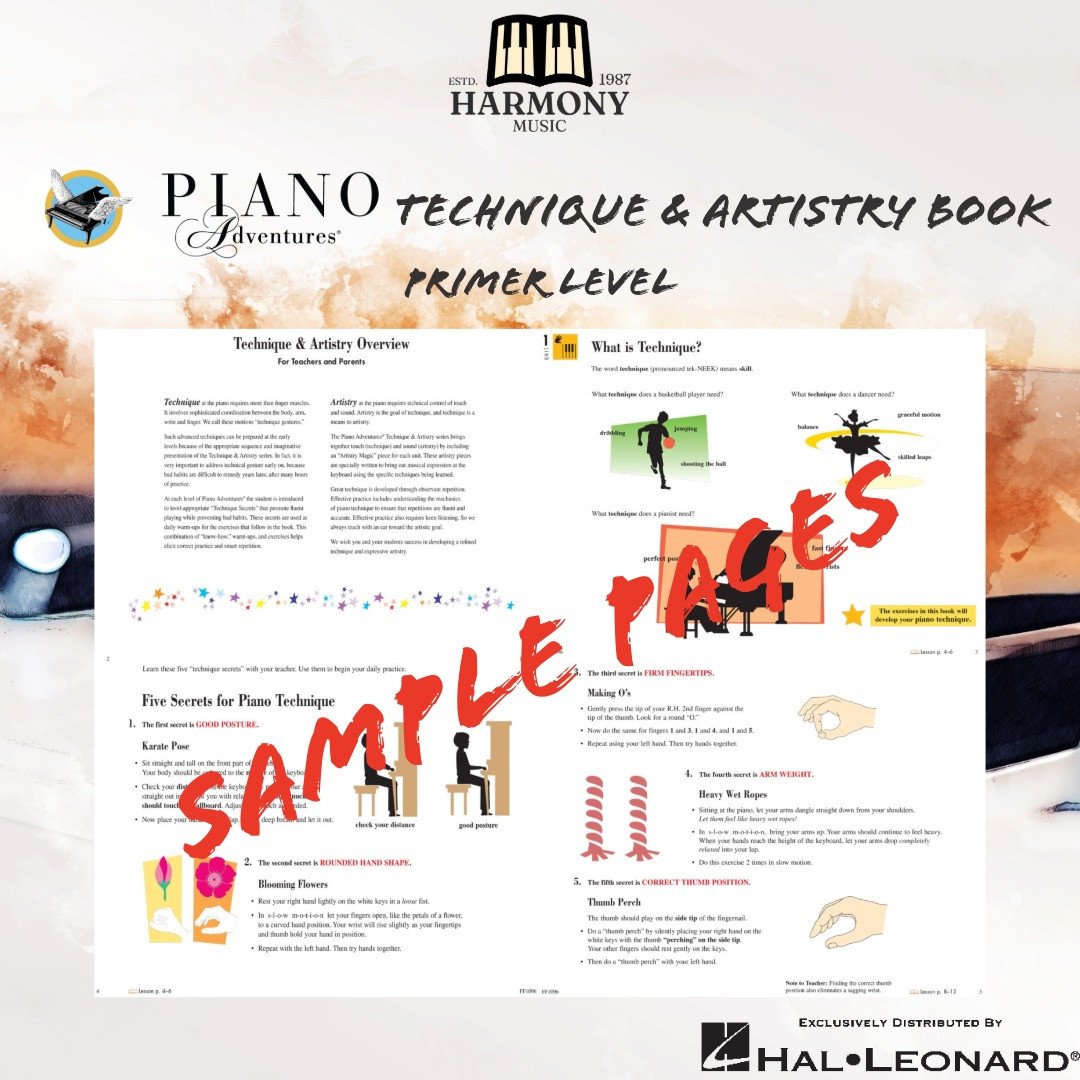
For beginners ages 7-11, start with the Primer Level four core books. These correlate page-by-page to analyze, create, and express at the piano. Students explore the full keyboard, basic rhythm patterns, and a new language — reading on the Grand Staff. The appealing songs, why of theory, and how of technique present a wholistic music approach.
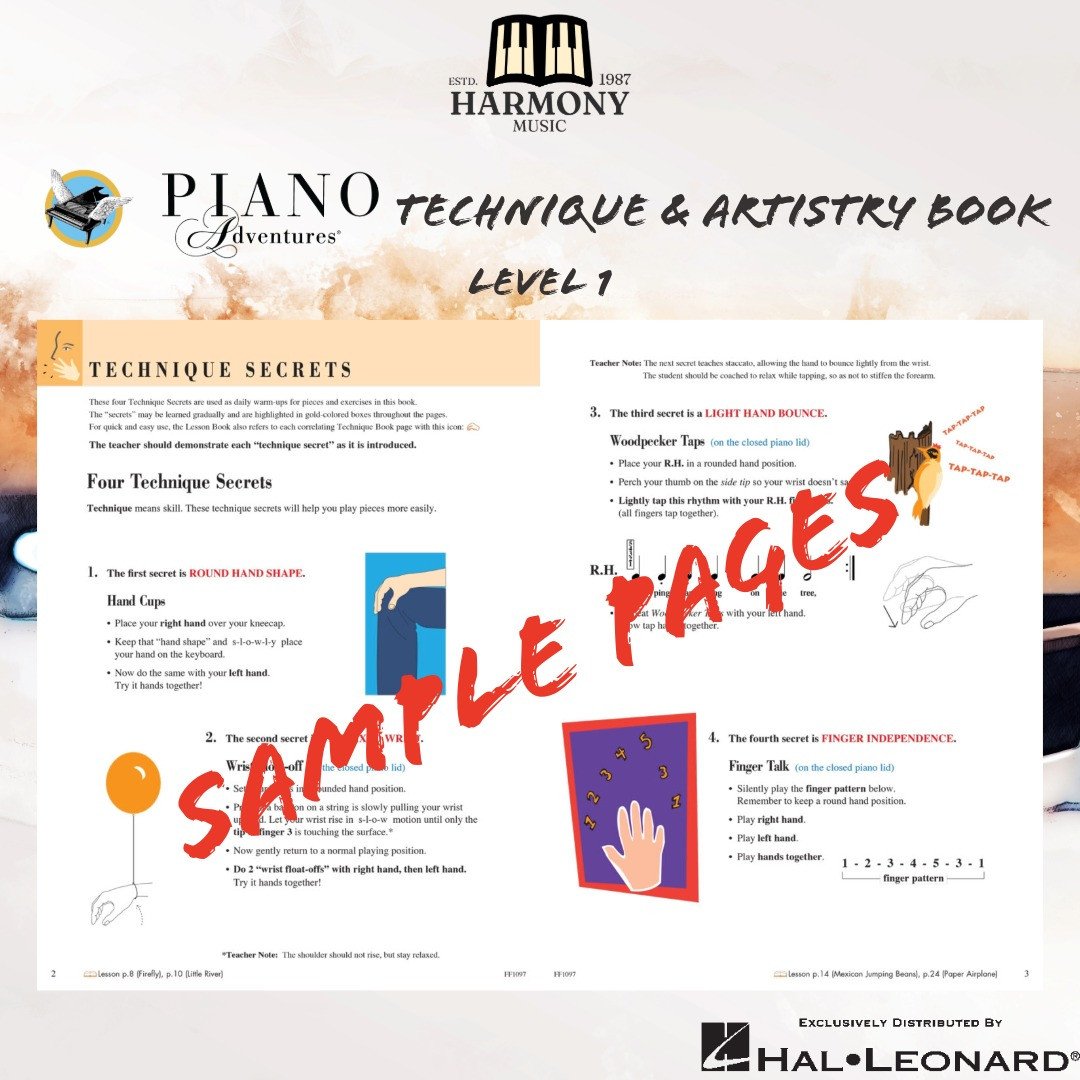
After the Primer, students begin the Level 1 four core books. Theory and Technique Books correlate page-by-page with the Lesson Book to analyze, create, and express at the piano. Note reading expands across the Grand Staff with themes of Haydn, Mozart, Beethoven, folk tunes, and Faber originals. Musicianship is built with improvisations, harmonizations, and sightreading.
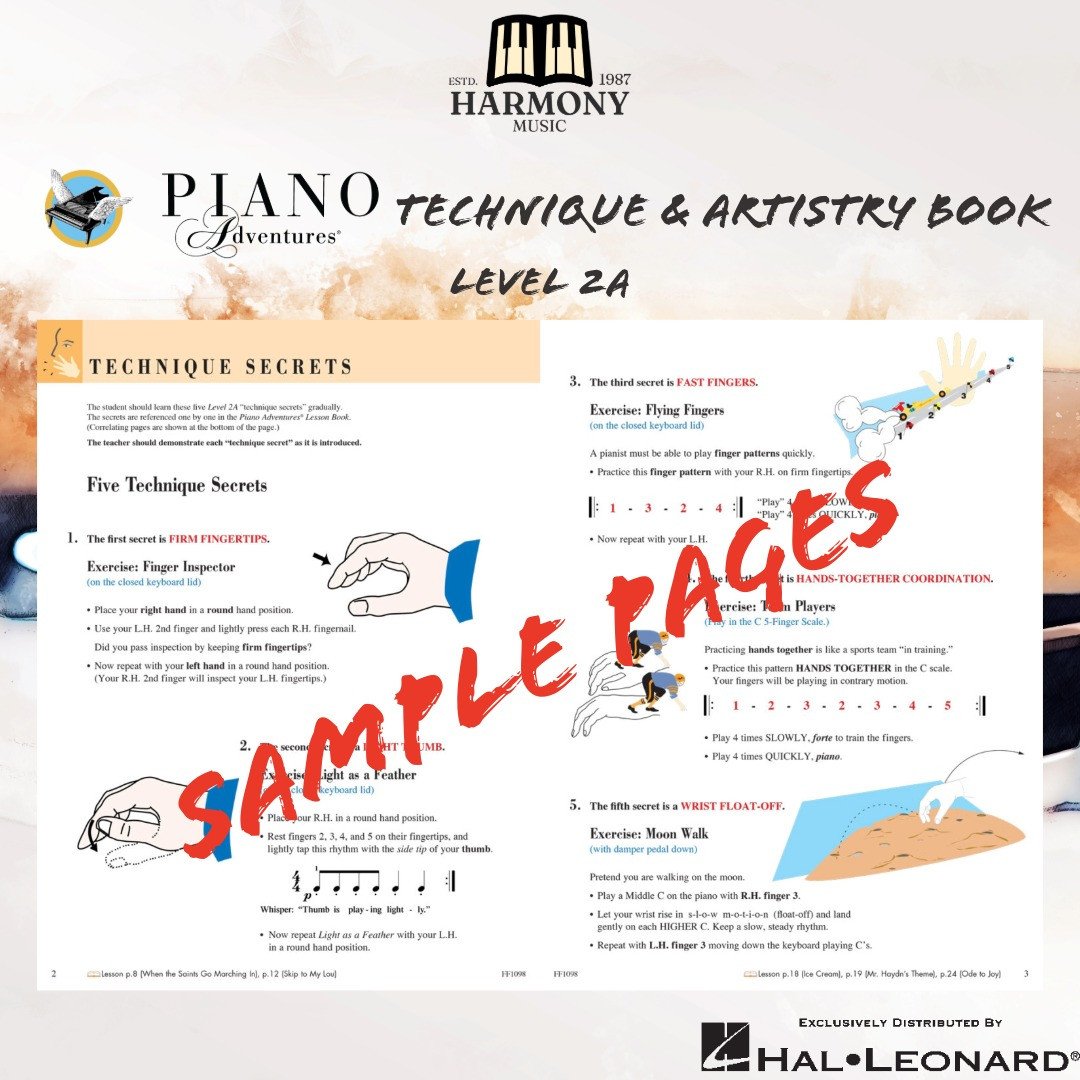
The four core Level 2A Books continue reading by intervals with a musically diverse, multi-key approach. Learning 8th-notes opens up themes of Beethoven, Brahms, Vivaldi, and more. Major and minor 5-finger scales and chords are a framework for finger independence and transposition. Improvisation and composition activities, as well as a first lead sheet build musicianship.
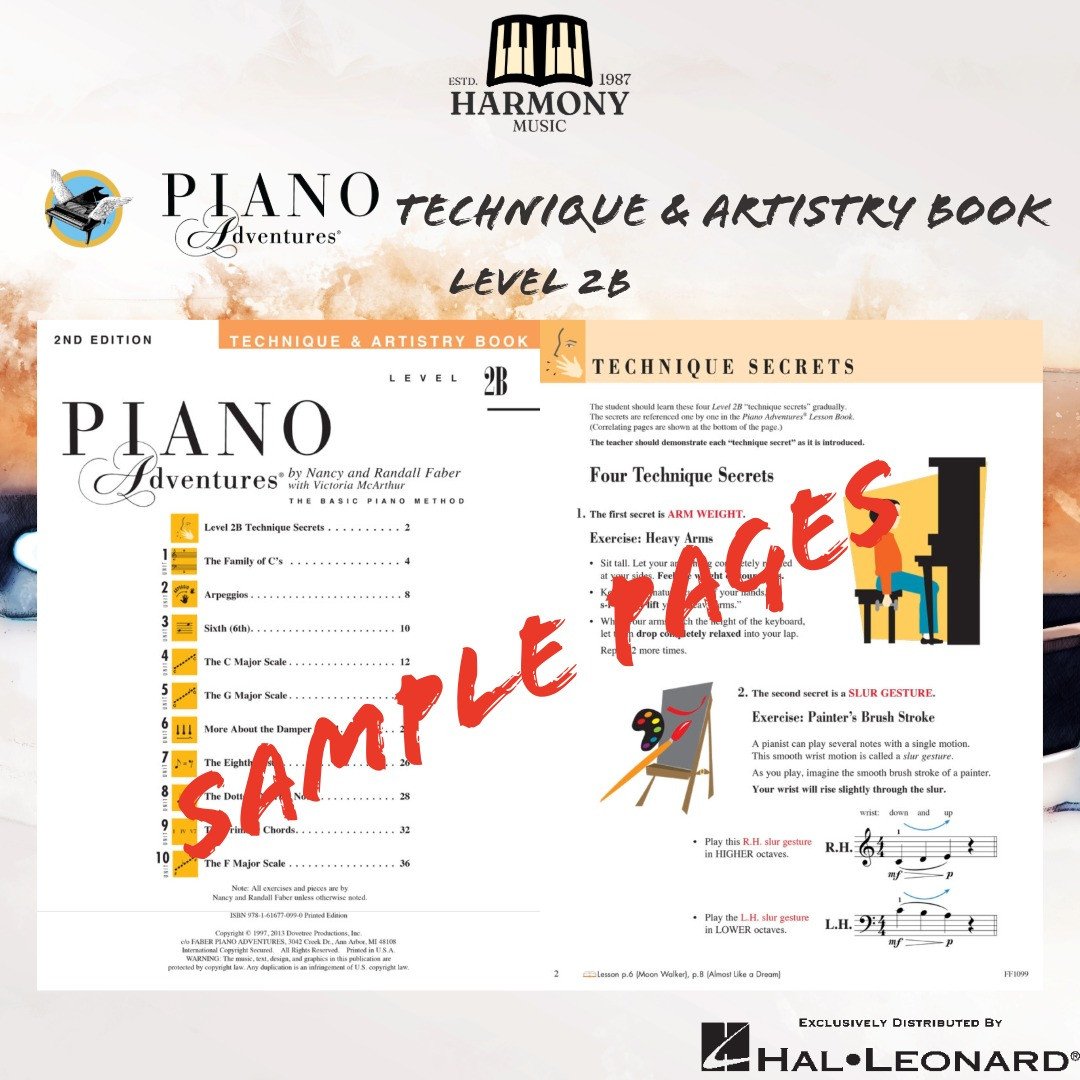
The four core Level 2B Books present one-octave scales in the keys of C, G, and F major. Crossing the thumb under allows quick travel up and down the keys. I, IV, and V7 chords offer new opportunities to transpose, harmonize, and compose. Artistry is enhanced with connected pedaling and students play timeless themes of Bach, Beethoven, and Dvořák, as well as spirituals and jazzy pieces.
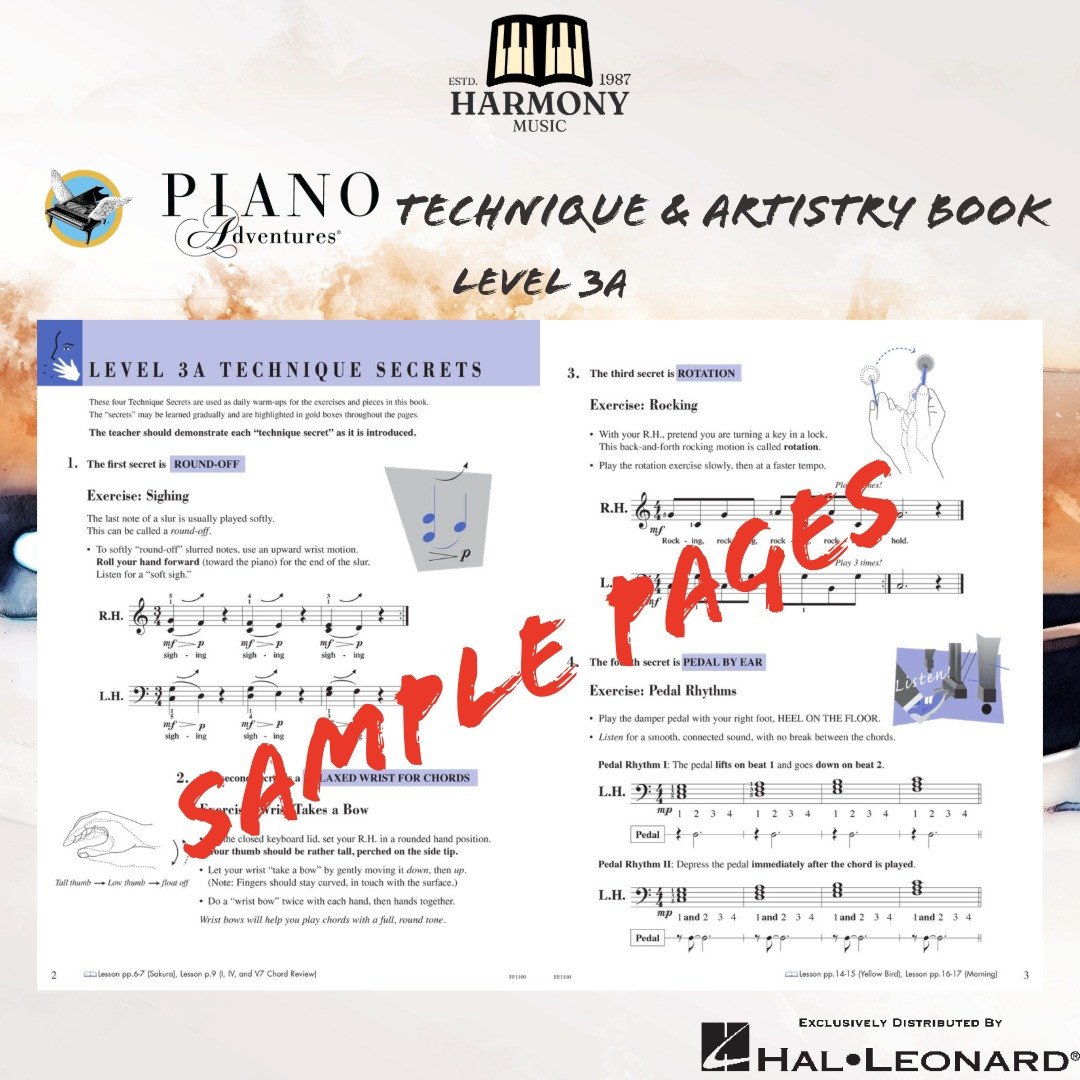
The four core Level 3A Books guide the student’s musical mind with advancing rhythms, scales, pedaling, and musical form. Classical pieces by Turk, Reinagle, Grieg, and Tchaikovsky blend with world folk songs and American ragtime. Composing a mini-sonatina and improvising in D major bring creativity to new understandings of music theory.
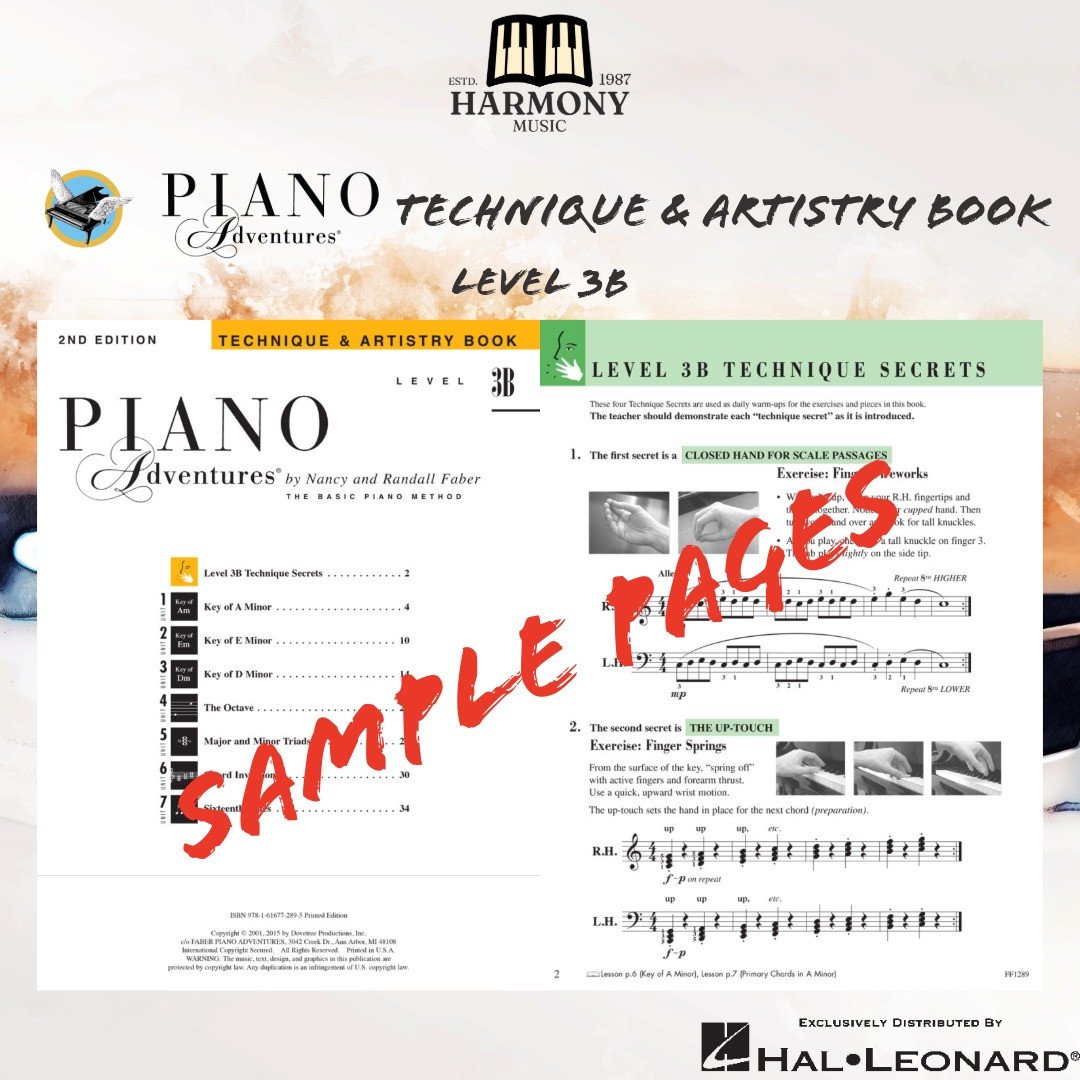
The four core books of Level 3B provide a smooth transition into intermediate playing. This is the level of contrasts: 16th notes and minor scales build agility and speed while melodies of Beethoven, Liszt, and Pachelbel require a “singing” tone. Major-minor triads and inversions advance chord analysis that includes the 12-bar blues, syncopation, and swing rhythm.
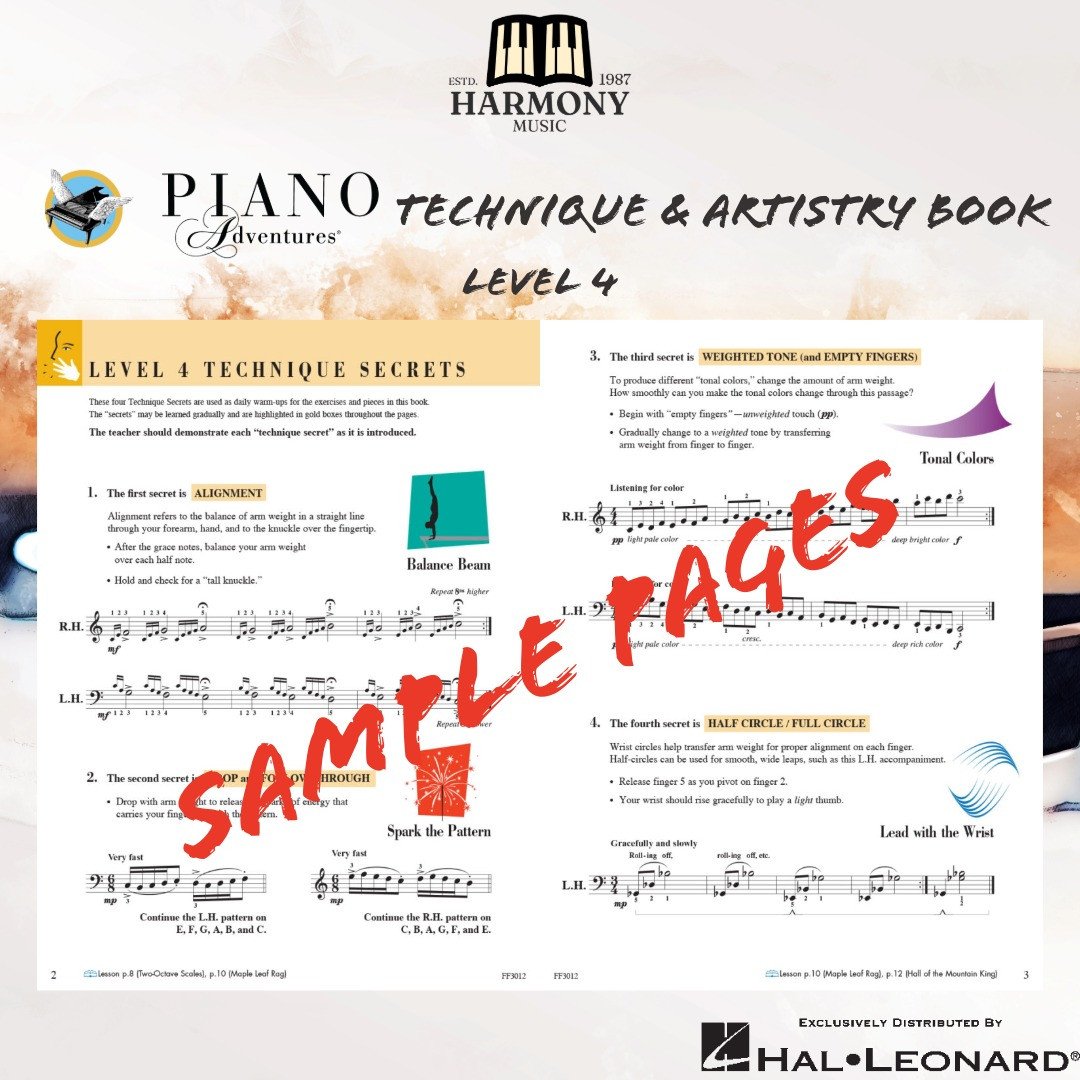
The four core Level 4 Books lead the student to essential intermediate piano skills; expanded key signatures, harmonic minor scales, and chord analysis with Roman numerals. Classics of Grieg, Strauss, and Bach pair with ragtime, blues, and colorful Faber originals. Technique includes alignment, balance of arm weight, wrist circles and weighted tone for artistic colors.
The core Level 5 Books are a bridge to the great piano literature. Musicianship broadens with the circle of 5ths, flat keys, three minor scale forms, and 2-octave arpeggios. Composers Haydn, Burgmüller, and Saint-Saëns contrast with folk, blues, and a “bearcat boogie.” For technique, students may use the Hanon Faber Book. Transformative warm-ups pair with select exercises for gesture, dexterity, and virtuosity.
Reviews
There are no reviews yet.