

For students ages 6-11, Piano Adventures Basic offers an exciting exploration. Its wide and varied 8-level curriculum includes appealing repertoire, probing theory, improvisation and composition, and a systematic technique program from the start.
For teachers, the art of teaching can be seen as a wholistic process using the ACE triangle—analyze, create, express. This musical learning theory primes the student’s intellect, engages and sparks imagination, and nurtures a love of music at each level.
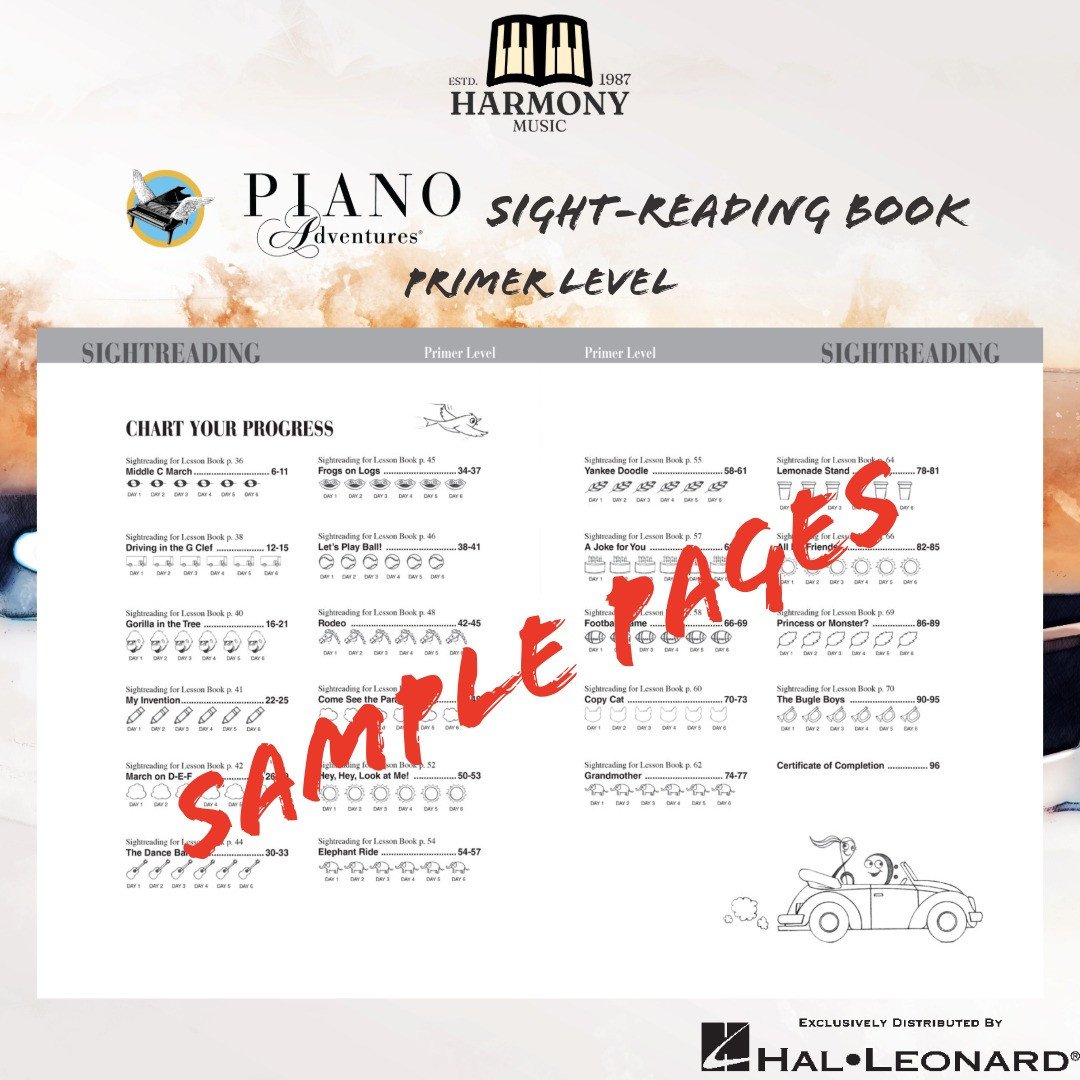
This inventive sightreading course uses sets of exercises based on melodic and rhythmic patterns from the 2nd Edition Primer Lesson Book. Students play one exercise a day, completing one set per week. Entertaining musical art helps guide the sightreading process and each page presents a new learning vignette in a spirit of fun.
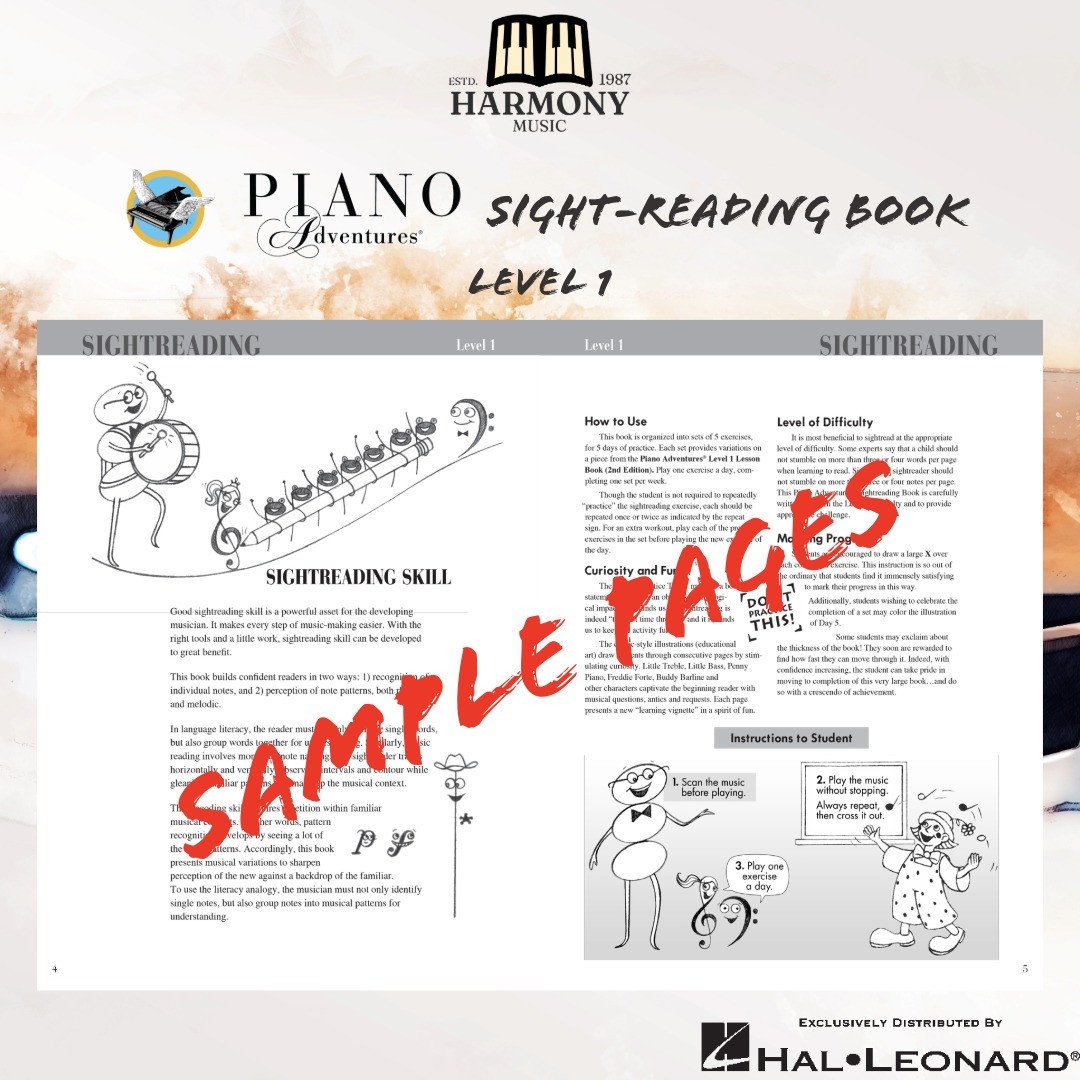
Level 1 students can have lots of fun while developing strong sightreading skills. This inventive course uses sets of exercises based on melodic and rhythmic patterns from the Level 1 Lesson Book. Students play one exercise a day, while enjoying the entertaining musical art that guides their sightreading progress.
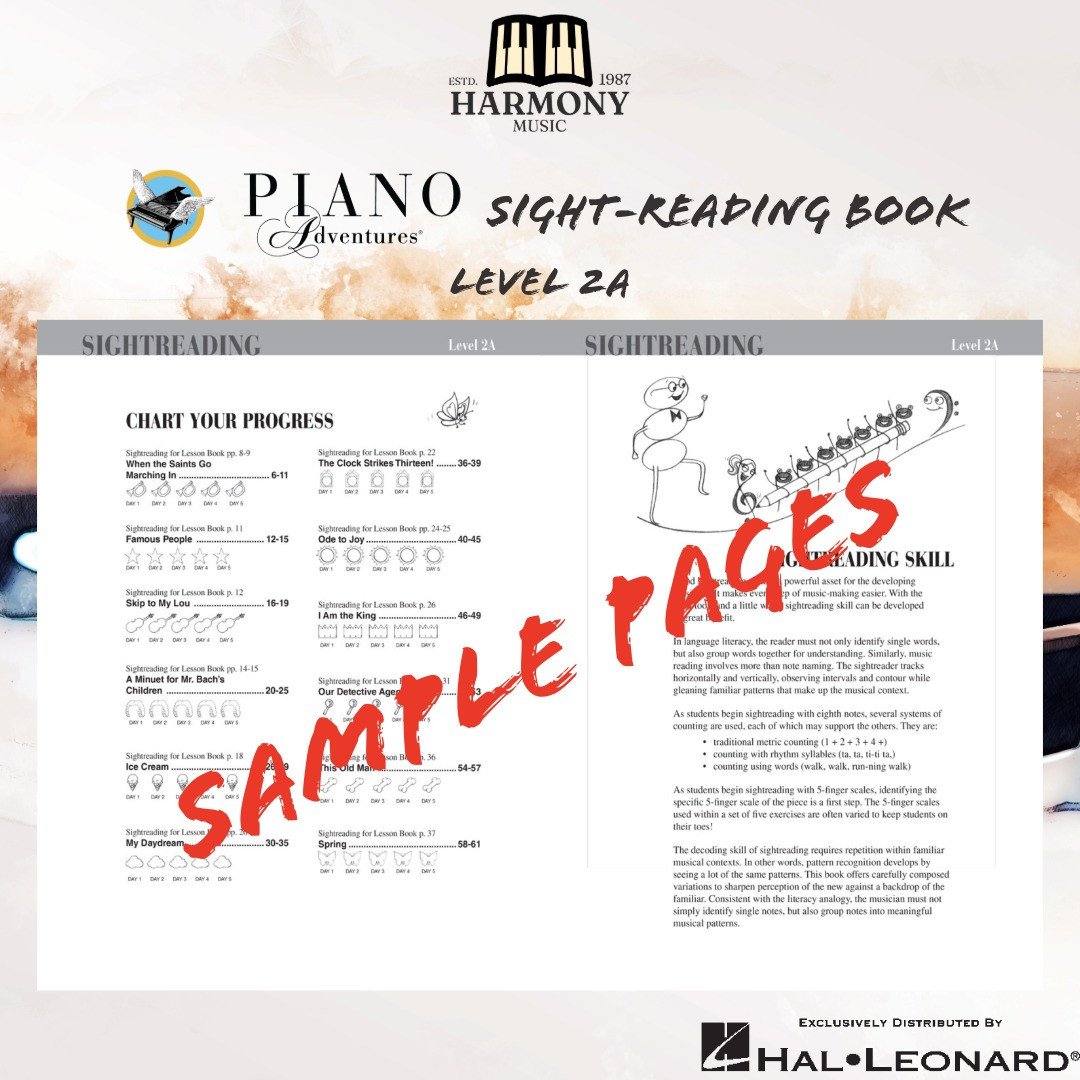
This innovative sightreading book for Level 2A builds confident readers through recognition of individual notes and perception of note patterns, both rhythmic and melodic. Entertaining musical art and rhythm road exercises motivate and guide student progress.
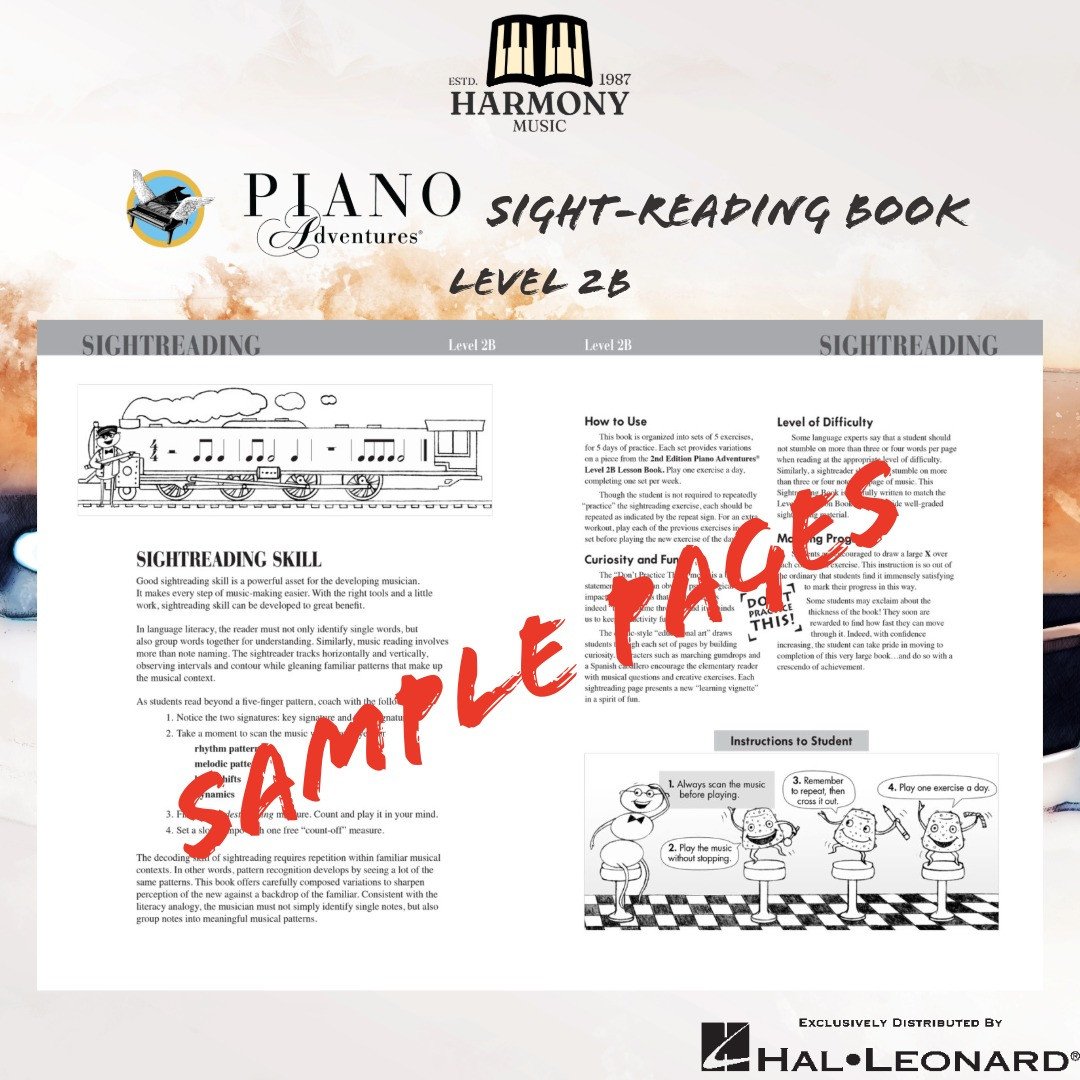
Good sightreading skill is a powerful asset for the developing musician. Carefully composed variations of the Level 2B Lesson Book pieces help the student see the new against the backdrop of the familiar. Fun, lively characters instruct students and motivate sightreading with a spirit of adventure and fun.
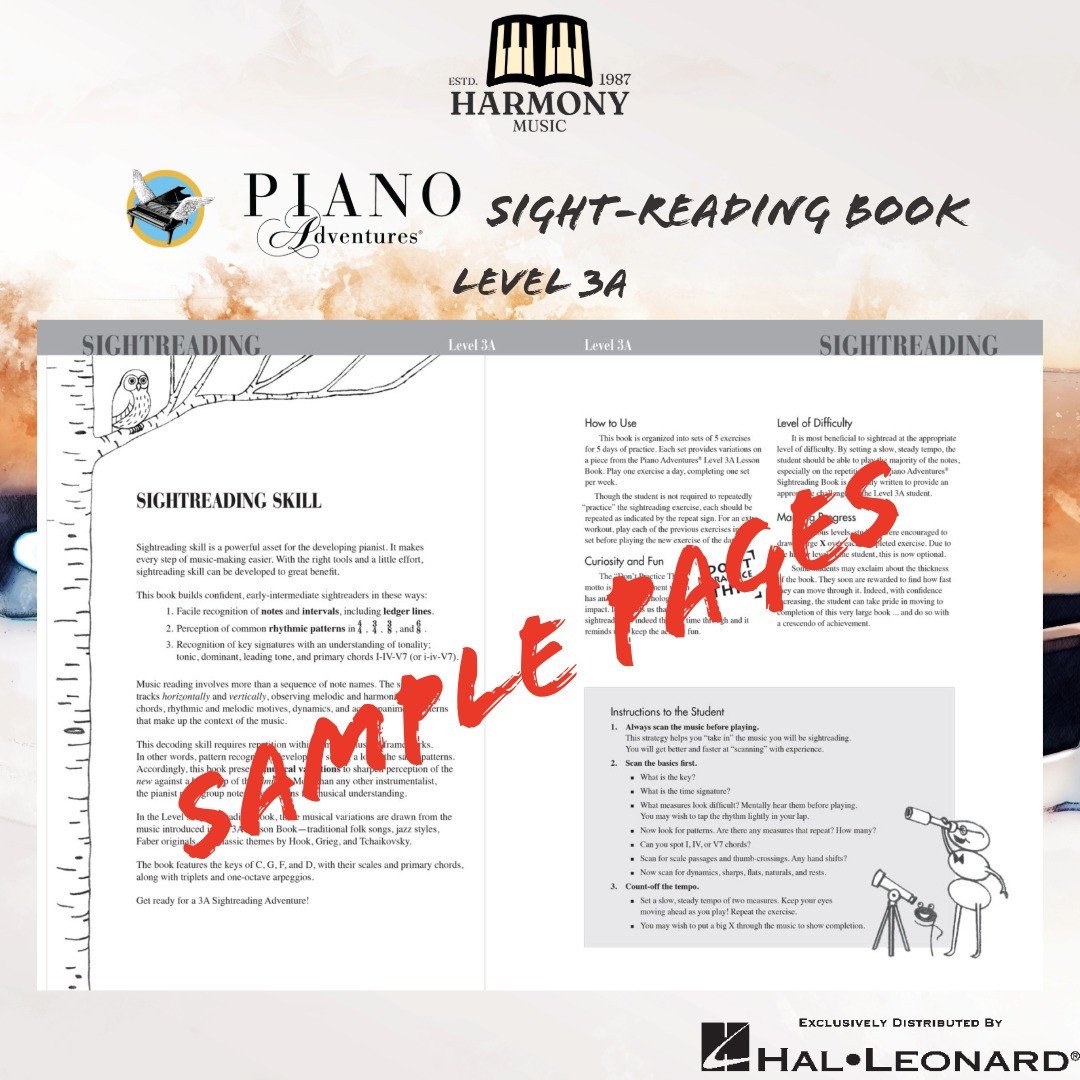
This early-intermediate sightreading book presents carefully crafted variations of 3A Lesson Book pieces. The student gains confidence with the familiar and challenge in perceiving the new. Sighteading goes beyond the notes to recognition of musical patterns: the Alberti Bass accompaniment, chunking rhythm patterns in 3/8 and 6/8 time, the triplet in various time signatures, and expanded intervals through the 7th. Musical art provides theory review.
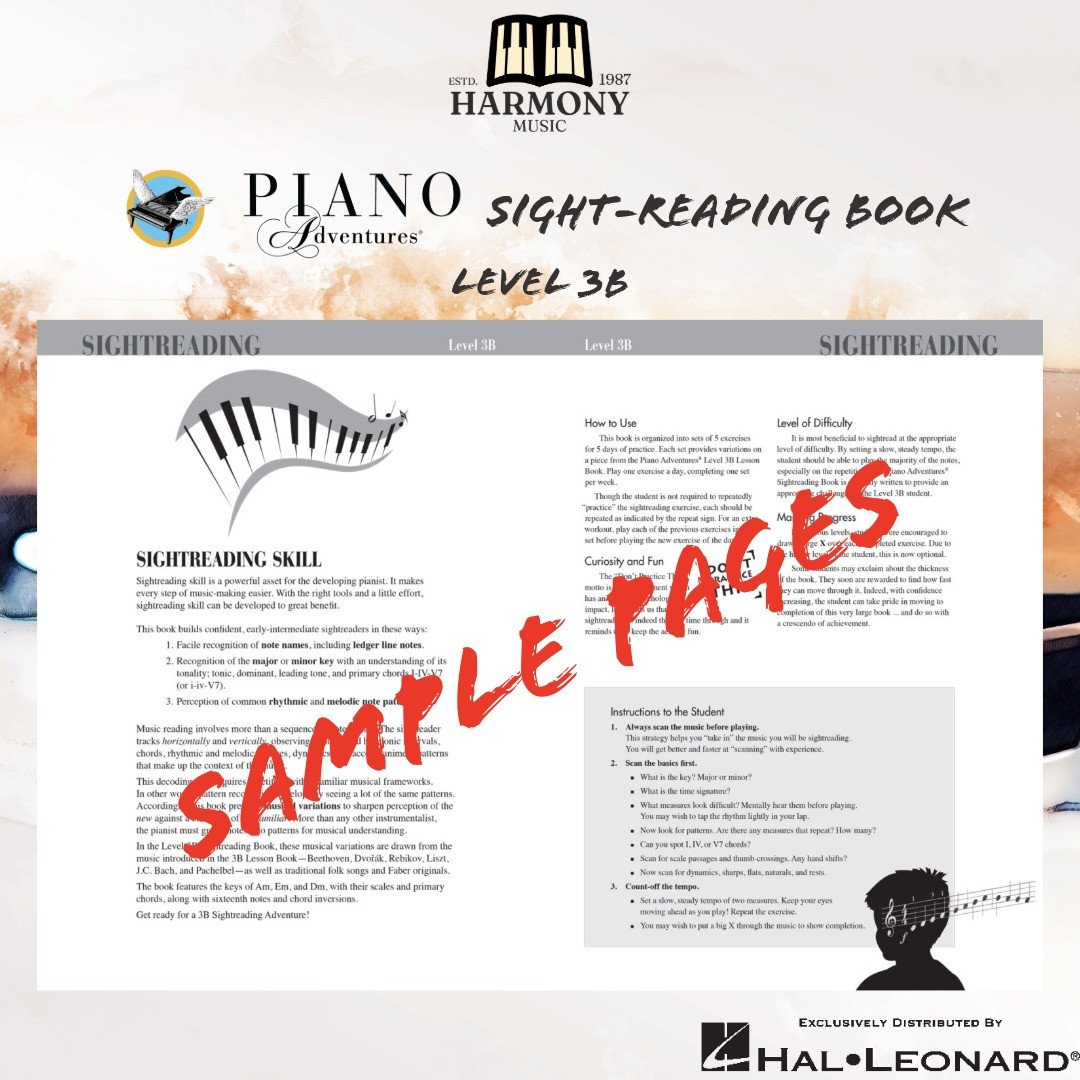
As the music becomes more complex, an initial scanning of the music is greatly encouraged: Is the key in major or in the relative minor? Spot the rhythm pattern used throughout. Plan how you will play the last arpeggiated chord. Students gain experience in C and Am, G and Em, F and Dm. Concepts extend to chord inversions, the octave, and 16th note patterns. Occasional Rhythm Road exercises invite tapping and writing work.
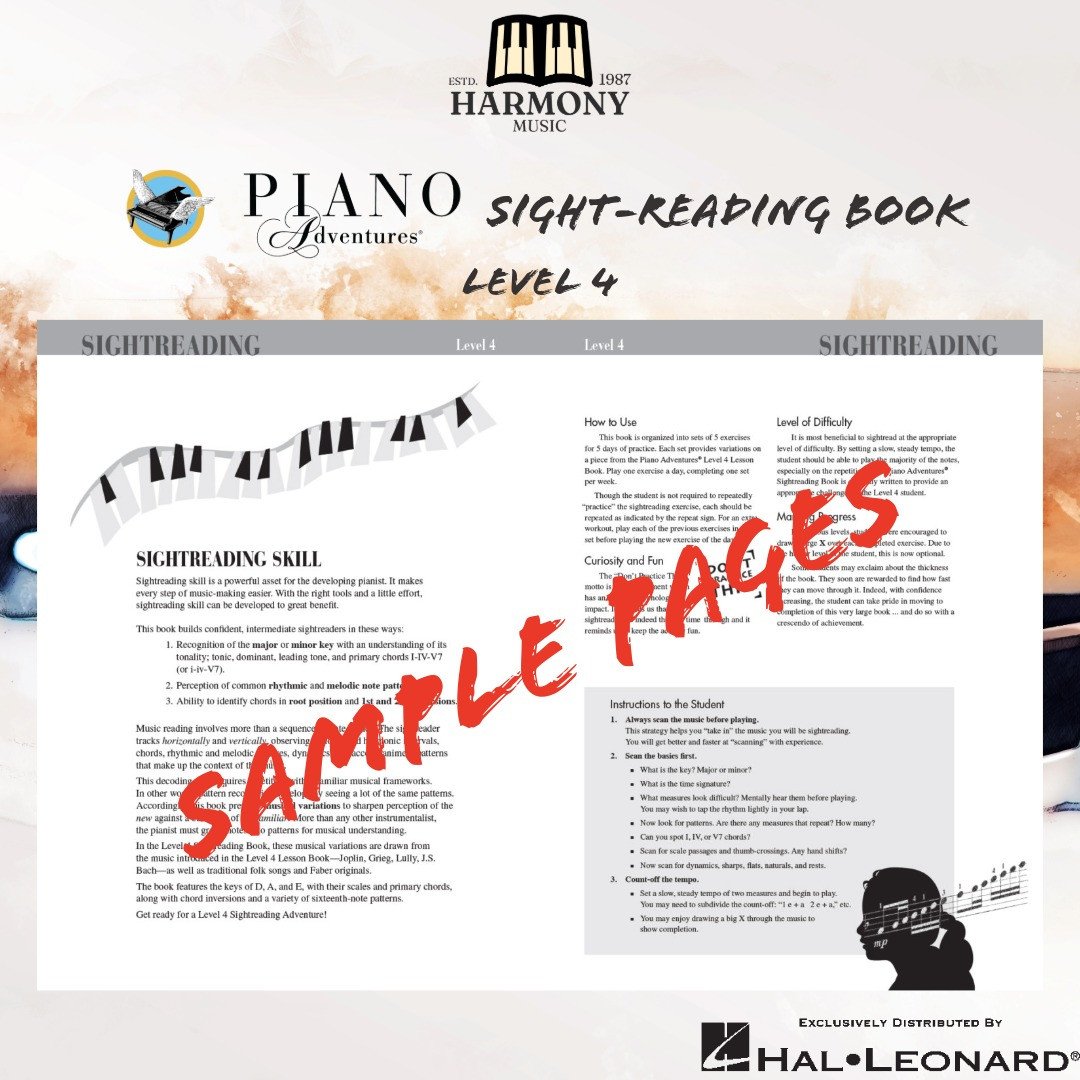
By Level 4 students are sightreading variations on Scott Joplin’s Maple Leaf Rag, new settings of Grieg’s Hall of the Mountain King, and patterned variations of Bach’s Prelude in C. Rhythm patterns become more complex with the dotted eighth to sixteenth; harmonic patterns advance to the V7 chord in root position and sharp key signatures of D, A and E major.
Reviews
There are no reviews yet.